Accelerating Driver Route Learning
Strategies to enhance route learning programmes
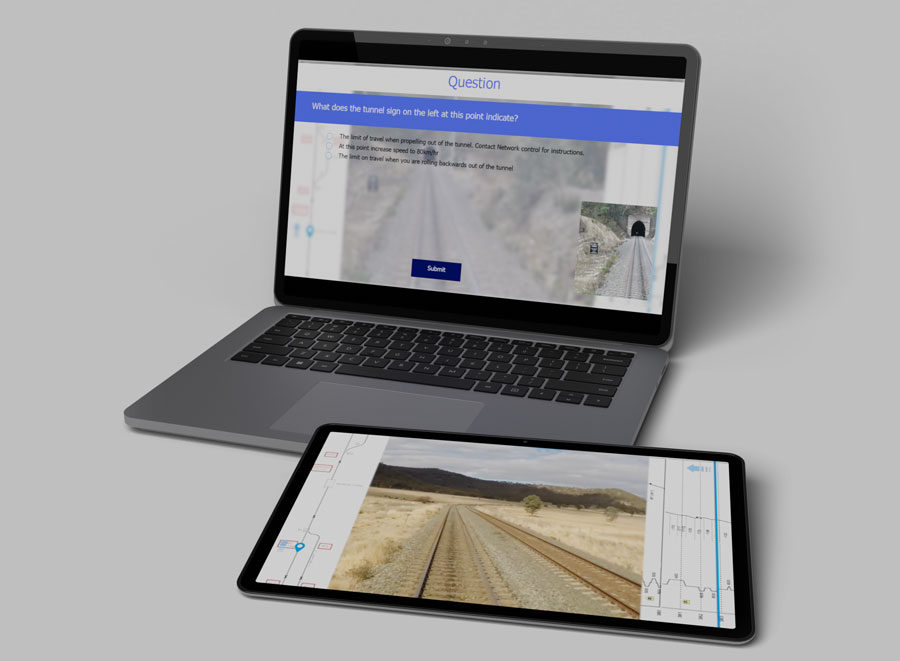
Acquiring route knowledge requires familiarisation with driving strategies, signalling systems, gradients, speed limits, and potential hazards. Varied terrain and environmental conditions also contribute to making the process time consuming and expensive.
Commercial pressure for more qualified drivers means that the industry must now look beyond the traditional route learning methods for better means of accelerating the process, whilst maintaining standards.
Technology can help. However, it must be designed around the user and desired learning outcome(s). The following points should be considered when designing enhanced route learning programmes.
- Define what you want to achieve and make it realistic. Identify priority routes and state a desired percentage improvement required over a set period. E.g. 10% reduction in route learning across a specific cohort within six months.
- Go for incremental improvements. New programmes should not immediately replace the old methods. Change will be gradual as improvements become evident and drivers become more confident.
- Build the content around the learning outcomes. Capture the relevant information covering route knowledge and driving strategies. This can include video, network diagrams and local knowledge from experienced drivers.
- Make the programme easy to use. An engaging interface makes adoption much easier. This can include synchronised track diagrams with video, knowledge check questions and location-specific driving strategy notes.
- Use time wisely. Consider breaking-down the route learning into manageable time chunks that drivers can easily achieve within their schedule
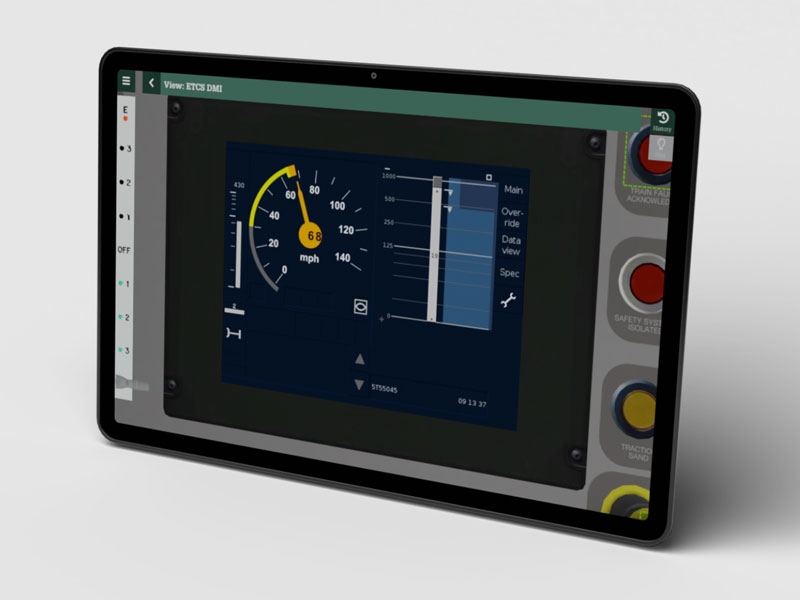
- Easily distributed and maintained. Mobile devices and online delivery make it much easier for drivers to access route learning programmes on demand.
- Make the distinction between support and assessment. Giving drivers time to build confidence with new routes will help accelerate assessment and competence development.
Improvements seldom happen in one go; meaningful change takes small steps and time. We have developed the tools that can help accelerate driver route learning, and we’re happy to share our experiences. Book a free 30 minute meeting to find out how we can help you accelerate your route learning.
LATEST UPDATES