ETCS; Preparing Drivers for a new way of working
ETCS changes far more than just signalling technology, it changes how drivers will interact with the railway itself.
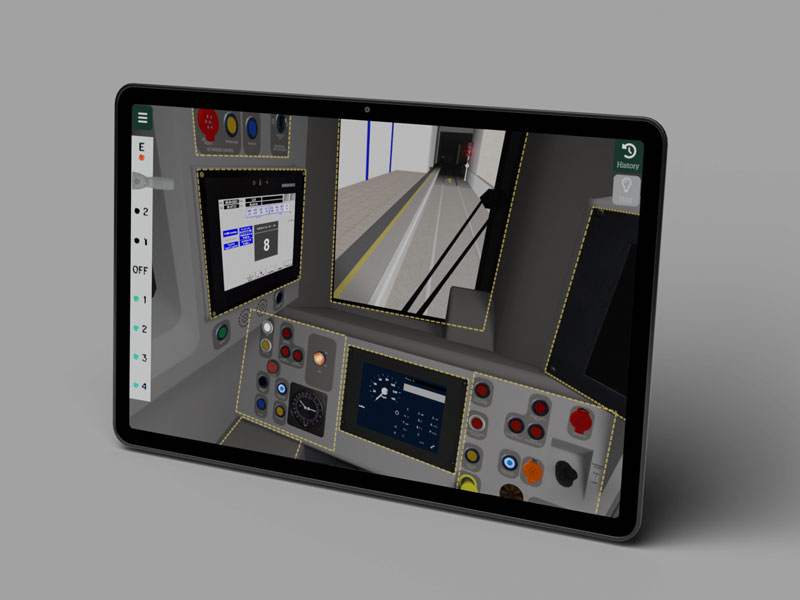
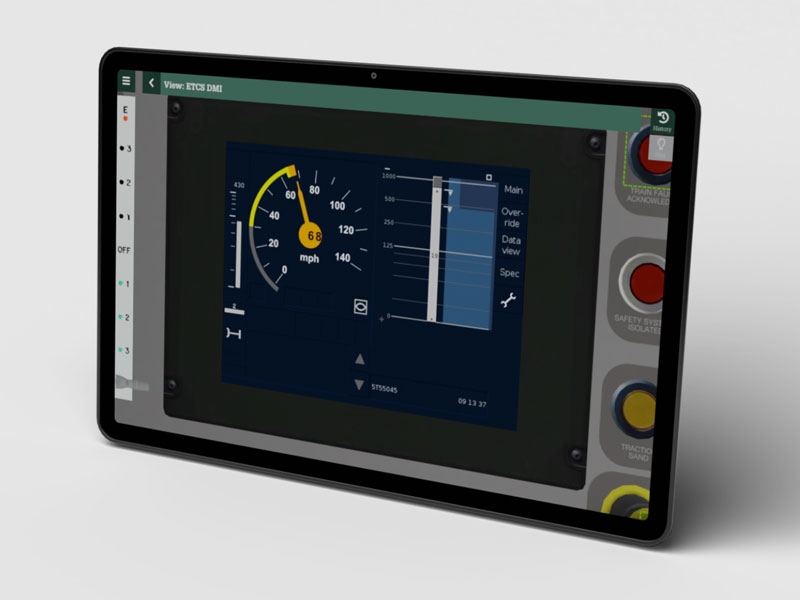
For generations, drivers have relied on external visual cues, route familiarity and lineside signalling to make operational decisions. ETCS shifts much of this interaction into the cab, replacing traditional signals with digital movement authorities and on-screen supervision. This is a significant workforce transformation programme, and train operators who recognise this early on will make the rollout much easier.
For many experienced drivers the transition will be psychologically demanding, requiring them to trust information displayed on a screen, rather than the physical infrastructure they have relied upon for decades. Changes to situational awareness, route knowledge, degraded conditions and transitions in mixed-signalling environments where drivers may move repeatedly between conventional signalling and ETCS operation during a single shift, make ETCS training as much about human factors as technical know-how.
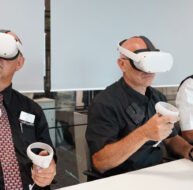
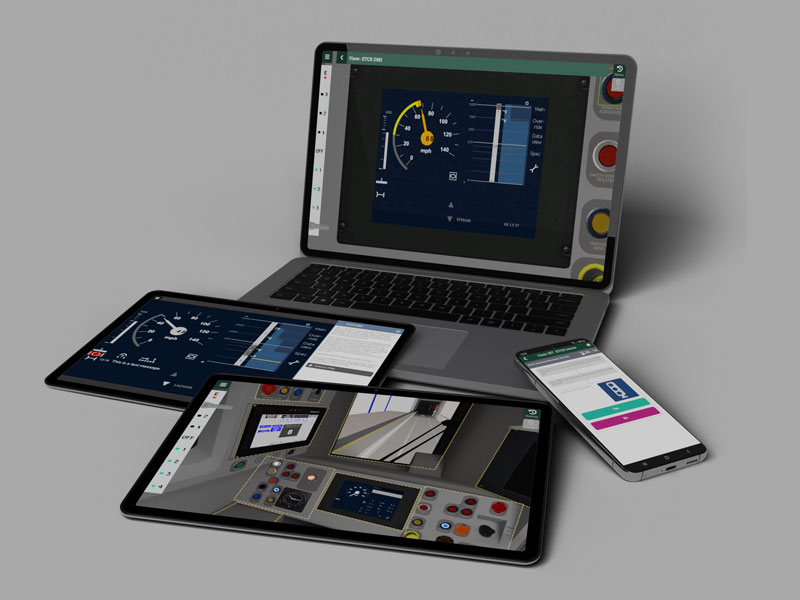
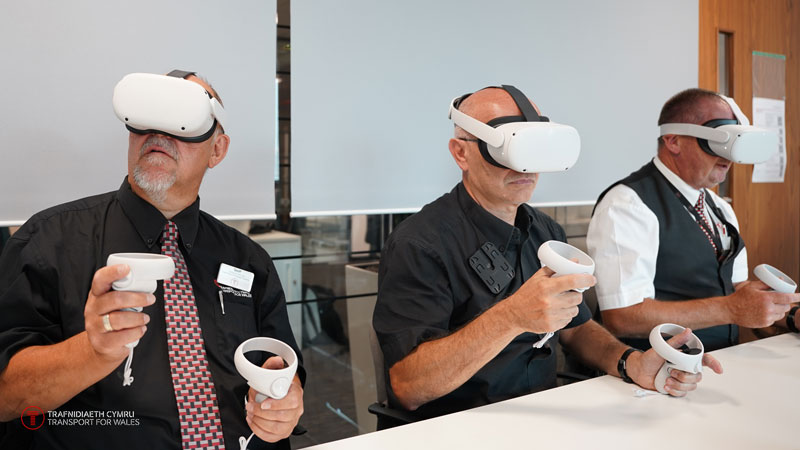
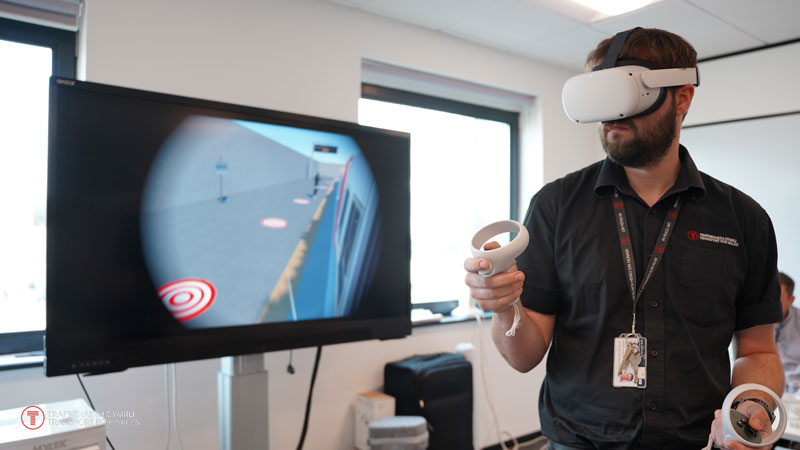
Successful ETCS implementation will depend on how well operators prepare their workforce for this cultural and behavioural shift. To meet this changing demand, traditional classroom and simulator training will need to be adapted and supported with tailored scenario based learning, provided using mobile simulators, apps and digital learning platforms, such as Denova’s ETCS training applications.
Planning training scenarios that deliver these desired learning outcomes takes time and experience. The team at Denova have a tried and tested procedure that makes this process easier. Organise a non-obligatory 30min meeting to find out how our ETCS application can support your training programme.
LATEST UPDATES